Производство офисных столов in 2024: what's changed and what works
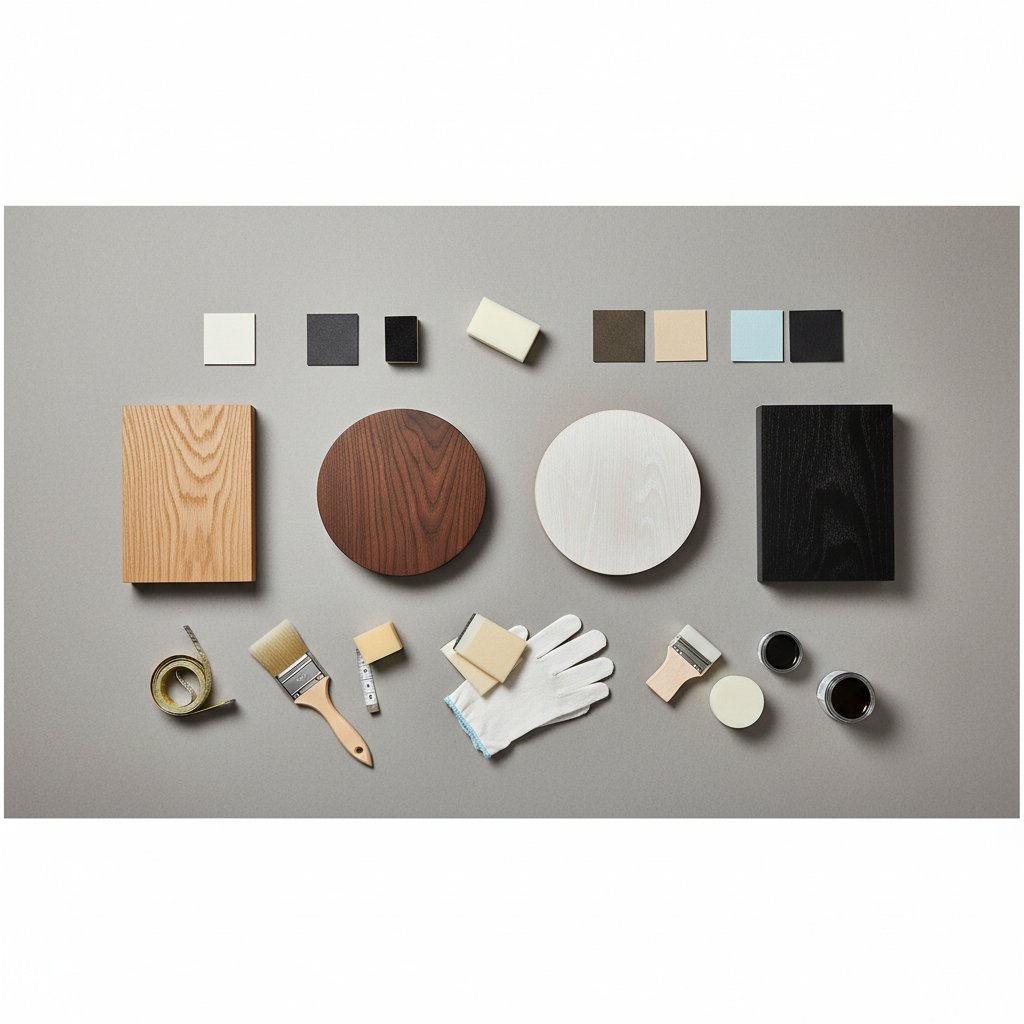
The office furniture game has shifted dramatically over the past year. Walk into any modern desk manufacturing facility in 2024, and you'll notice something different—the machines are smarter, the materials are stranger, and the whole operation looks nothing like it did even 18 months ago. Let's break down what's actually happening on factory floors right now.
1. Modular Design Has Become the Default, Not a Premium Option
Remember when adjustable desks were this fancy add-on that doubled the price? Those days are gone. Manufacturers have figured out that building modular components from the start costs roughly 15-20% less than creating fixed designs. The trick is standardizing connection points and leg assemblies across entire product lines.
Smart factories now produce base frames that work with 8-10 different tabletop configurations. A client can switch from a 120cm desk to a 180cm L-shaped setup using the same leg system. This isn't just convenient for buyers—it slashes inventory costs and reduces production time by about 30%. One mid-sized manufacturer in Poland reported cutting their SKU count from 247 to 89 while actually expanding their effective catalog.
2. Acoustic Materials Are Baked Into Standard Builds
Open offices aren't going anywhere, which means noise management has moved from "nice to have" to "deal breaker." Desk manufacturers started embedding sound-dampening materials directly into desktop cores around mid-2023, and it's now standard practice for anything marketed to corporate clients.
The most common approach uses recycled felt or foam layers sandwiched between wood composite surfaces. This adds maybe $8-12 to production costs but lets manufacturers charge 25-30% more for "acoustic-enhanced" models. Some European producers are going further, integrating vertical sound panels into desk designs that double as cable management systems. The panels attach magnetically, making them swappable—a desk for focused work can become collaboration-ready in under a minute.
3. Automated Cutting Systems Have Gotten Scary Accurate
CNC machines aren't new, but the 2024 generation is operating at tolerances that seemed impossible three years ago. We're talking ±0.1mm precision on complex curves, which means almost zero material waste and perfect edge matching every single time.
A furniture plant outside Gdańsk recently shared their numbers: switching to AI-guided cutting systems reduced their material waste from 11% to under 3%. That's massive when you're processing 500+ desktop panels daily. The machines also optimize cutting patterns in real-time, figuring out how to nest shapes more efficiently than human operators ever could. Setup time dropped from 45 minutes to about 8 minutes between different product runs.
4. Sustainable Materials Are Actually Cheaper Now
Here's the plot twist nobody saw coming: recycled and bio-based materials have undercut traditional options in price. Bamboo composites now cost 12-18% less than equivalent particle board, and recycled aluminum extrusions are beating virgin metal by similar margins.
Manufacturers who jumped on this early are reaping benefits beyond just material costs. Corporate procurement teams are actively filtering for sustainability certifications, and some won't even consider suppliers without FSC or Cradle-to-Cradle documentation. One manufacturer reported that adding proper certifications opened up contracts worth €2.3 million that were previously inaccessible. The certification process takes 4-6 months but pays for itself within the first year for most mid-size operations.
5. Direct-to-Business Sales Channels Changed Everything
The traditional distributor model is crumbling. Manufacturers who built direct ordering platforms saw their margins improve by 20-35% while simultaneously dropping prices for end customers. The math finally makes sense for everyone except the middlemen.
These aren't just basic web stores either. Modern B2B platforms include AR visualization tools that let office managers see exactly how desks will look in their space, bulk configurators for ordering 50+ units with individual customizations, and integration with procurement software. Implementation costs run between €15,000-40,000 depending on features, but manufacturers report breaking even within 6-9 months through increased order volume and reduced sales overhead.
6. Smart Desks Are Finally Practical (and Profitable)
The IoT desk dream nearly died around 2019 after several high-profile failures. But 2024 versions actually work because they're simpler. No apps, no subscriptions, no connectivity headaches—just useful sensors and local controls.
Current smart features focus on sit-stand reminders, posture monitoring via weight distribution sensors, and occupancy tracking for hot-desking environments. The electronics add $30-50 to production costs but command $150-200 premiums in the market. More importantly, they create ongoing relationships with corporate clients who want usage data for space planning. Several manufacturers now offer "desk-as-a-service" models where companies pay monthly fees that include maintenance, upgrades, and data analytics.
The office desk manufacturing world keeps moving faster than most people realize. What worked in 2022 is already outdated, and the factories adapting quickest are the ones landing the biggest contracts. The winners aren't necessarily the ones with the most automated facilities—they're the ones who figured out which automation actually matters and which materials genuinely perform better. That's the difference between staying busy and staying profitable.